
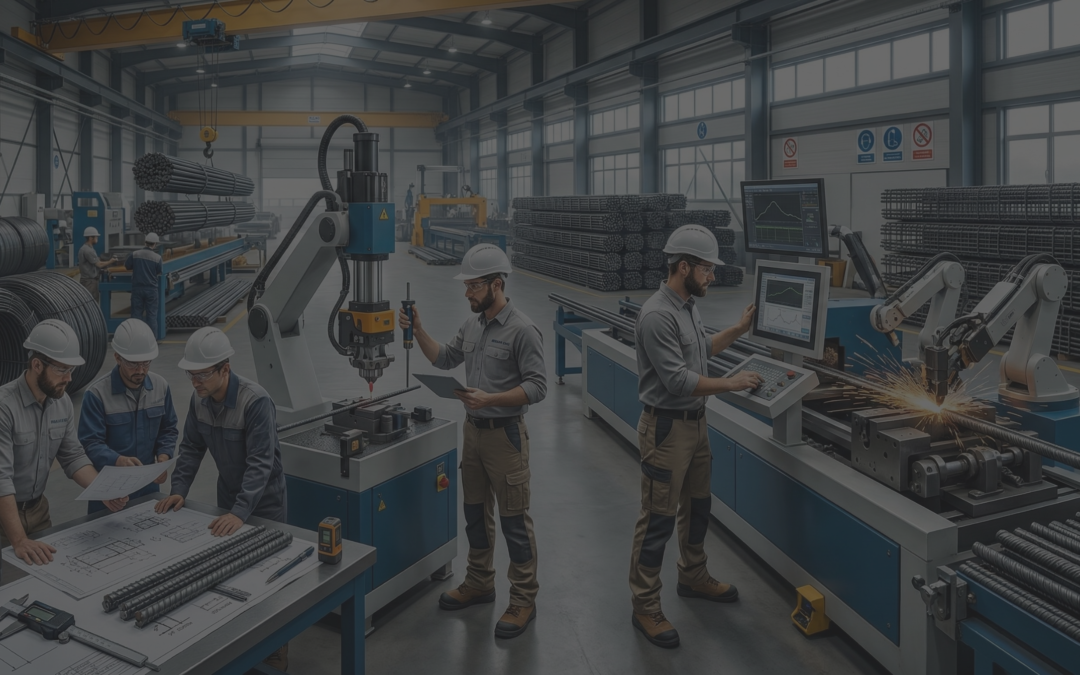
Engineering Excellence in Reinforcing Steel
Join the Forefront of Mechanical Innovation
Explore the pivotal role of mechanical engineers in shaping the future of construction through advanced machinery and precise engineering solutions.
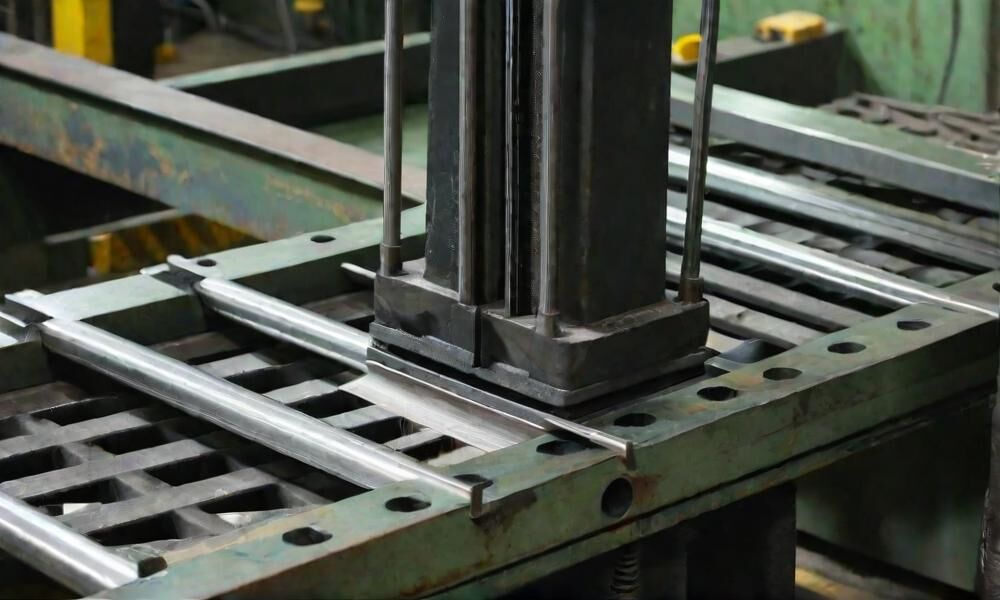
The Essence of Mechanical Engineering
Mechanical engineering is a dynamic field that combines deep theoretical knowledge with hands-on practical skills. Engineers in this discipline are tasked with designing, analysing, and improving mechanical systems that are integral to modern infrastructure and industry. This profession requires a robust understanding of physics and materials science, alongside the ability to apply these principles to solve complex engineering problems. In the context of reinforcing steel, mechanical engineers must ensure that machinery operates efficiently and safely, adhering to strict industry standards.
Balancing Theory and Practice
To excel in mechanical engineering, professionals must strike a balance between theoretical understanding and practical application. This involves not only mastering the principles of mechanics and thermodynamics but also gaining proficiency in using advanced tools like CAD software and engineering simulations. Engineers must also stay abreast of the latest technological advancements to innovate and improve existing systems.
Continuous Professional Development
The journey of a mechanical engineer is one of lifelong learning and adaptation. As technology evolves, so too must the skills and knowledge of engineers. Continuous professional development is essential, whether through formal education, professional certifications, or hands-on experience in the field. This commitment to growth ensures that engineers remain at the cutting edge of their profession, capable of tackling new challenges and contributing to the advancement of engineering practices.
Core Competencies of Mechanical Engineers
Key Skills for Success
Advanced Mechanical Systems
Mechanical engineers must possess a deep understanding of complex mechanical systems, allowing them to design and optimize machinery for efficiency and reliability.
Materials Science Expertise
Knowledge of materials science, particularly the behavior of metals like steel under stress, is crucial for ensuring the durability and safety of engineering projects.
Analytical and Problem-Solving Skills
Engineers need strong analytical abilities to diagnose issues and develop innovative solutions that enhance system performance and safety.
Proficiency in CAD and Simulation Software
Familiarity with computer-aided design and engineering simulation tools is essential for creating precise models and testing system designs before implementation.
Project Management and Team Collaboration
Effective project management and the ability to work collaboratively with multidisciplinary teams are vital for delivering successful engineering projects on time and within budget.
Commitment to Safety and Standards
Ensuring compliance with industry standards and implementing rigorous safety protocols are key responsibilities of mechanical engineers, protecting both workers and structural integrity.
The Role of Certification for Engineers
Professional Standards in Engineering
In the field of mechanical engineering, particularly within Malta and the broader European context, certification and qualifications are pivotal. They not only validate an engineer’s technical skills but also ensure adherence to industry standards. In Malta, engineers often start their journey with a degree from esteemed institutions like the University of Malta. However, to truly excel, they must engage with professional bodies such as the Malta Chamber of Engineers and the Engineering Board Malta. These organisations provide a framework for professional development and recognition. Across Europe, certifications like the EUR ING title from FEANI signify an engineer’s commitment to excellence and are recognised internationally. Such credentials are essential for engineers working in specialised sectors like the reinforcing steel industry, where compliance with standards such as EN 10080 and ISO 9001 is crucial.
Ensuring Safety in Engineering
The Engineer's Responsibility
Safety is paramount in the mechanical engineering domain, especially in industrial settings. Engineers are tasked with designing and maintaining systems that protect both workers and machinery. In environments like rebar manufacturing plants, where heavy machinery and high temperatures are common, engineers play a critical role in implementing safety protocols. They design preventive maintenance schedules, conduct risk assessments, and ensure compliance with safety standards such as ISO 45001. Their expertise in creating safe operational procedures is vital to preventing accidents and ensuring the smooth operation of manufacturing processes.
At companies like Marsa Rebar, mechanical engineers are integral to maintaining a safe and efficient workplace. Their decisions impact not only the safety of the workforce but also the quality and reliability of the products manufactured. By focusing on safety, engineers help uphold the company’s reputation for excellence and contribute to the overall success of the business.
Career Paths in Steel Engineering
Opportunities for Mechanical Engineers
The reinforcing steel industry offers a dynamic and rewarding career path for mechanical engineers. This sector is characterized by its technical challenges and the significant impact it has on infrastructure development. Engineers in this field are involved in the design and operation of machinery that processes reinforcing steel, ensuring that it meets the stringent requirements necessary for construction projects. Working with a leader like Marsa Rebar provides engineers with the opportunity to engage with cutting-edge technologies and participate in large-scale projects that shape the built environment.
For those passionate about solving complex engineering problems and contributing to the creation of durable structures, a career in this industry is both challenging and fulfilling. Engineers not only gain technical expertise but also develop skills in project management and innovation, making it a highly attractive career choice for those looking to make a tangible difference in the world.
FAQs About Mechanical Engineering in Rebar
Explore common questions about the role of mechanical engineers in the reinforcing steel industry.
What is the role of a mechanical engineer in rebar production?
Mechanical engineers in rebar production are responsible for overseeing the operation and maintenance of machinery that cuts, bends, and shapes reinforcing steel. They ensure that all equipment functions efficiently and safely, adhering to precise specifications required for structural integrity.
What qualifications are needed for mechanical engineers in Malta?
To become a mechanical engineer in Malta, one typically needs a degree in mechanical engineering from a recognised institution. Additionally, professional registration with local engineering bodies and possibly international certifications like the EUR ING title are often required.
Why is precision important in the reinforcing steel industry?
Precision is crucial because reinforcing steel must meet strict standards to maintain its structural integrity. Mechanical engineers ensure that machinery operates within these tolerances, which is vital for the safety and durability of construction projects.
What safety measures do mechanical engineers implement?
Mechanical engineers design and enforce safety protocols, such as machine guards and emergency stop systems. They conduct risk assessments and ensure compliance with safety standards like ISO 45001 to protect workers and equipment.
What career paths are available at Marsa Rebar?
Marsa Rebar offers mechanical engineers opportunities to work with advanced machinery, participate in large-scale projects, and develop expertise in reinforcing steel. The company fosters a culture of innovation and excellence in engineering practices.
How do mechanical engineers contribute to construction safety?
By ensuring that rebar machinery operates correctly, mechanical engineers play a vital role in the safety of construction materials. Their work supports the structural integrity of buildings and infrastructure, directly impacting public safety.
What professional development opportunities exist for engineers?
Engineers at Marsa Rebar can pursue continuous learning through workshops, certifications, and collaboration with industry experts. The company supports professional growth and encourages engineers to stay updated with the latest industry advancements.
How does Marsa Rebar support engineering innovation?
Marsa Rebar invests in cutting-edge technology and fosters a collaborative environment where engineers can innovate and improve production processes. This commitment to innovation ensures high-quality products and efficient operations.
What is the impact of mechanical engineering on infrastructure?
Mechanical engineering in the reinforcing steel industry ensures that infrastructure projects are built to last. Engineers’ expertise in machinery and materials science contributes to the resilience and longevity of roads, bridges, and buildings.
Explore Career Opportunities at Marsa Rebar
Are you ready to take your mechanical engineering career to the next level? Discover exciting opportunities at Marsa Rebar, where innovation meets excellence in the reinforcing steel industry. Learn more about how you can contribute to building a safer and more durable future. Apply today and become part of a team dedicated to engineering excellence.