
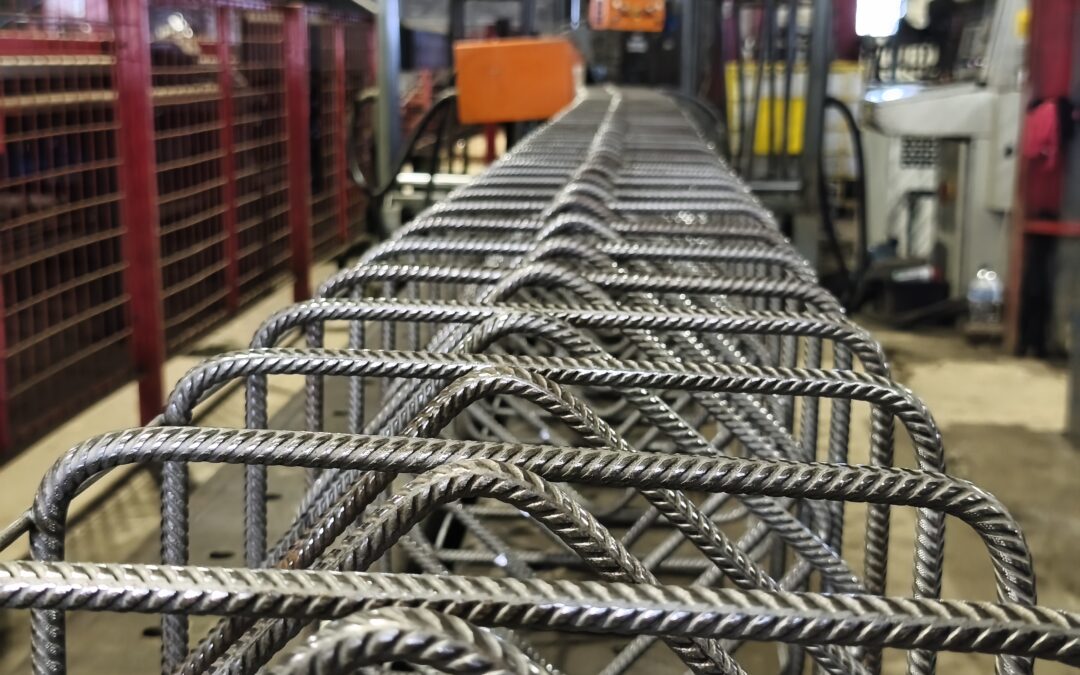
Understanding Rebar: The Backbone of Strong Construction
Rebar is the unsung hero of construction, providing essential strength and stability to concrete structures. Whether you’re working with a trusted rebar supplier or planning a major project, understanding its role is key to building durable, long-lasting structures.
What is Rebar and Its Role in Construction?
Rebar, short for reinforcing bar, is a steel bar or mesh used as a tension device in reinforced concrete. Reinforcement steel is essential because concrete alone is strong in compression but weak in tension.
By combining concrete with steel reinforcement, structures gain the strength needed to withstand loads, environmental stress, and long-term use. This is why every rebar contractor relies on high-quality materials and correct installation techniques.
Types of Rebar Used
A professional reinforcing steel supplier will typically provide:
- Carbon steel rebar (standard applications)
- Epoxy-coated rebar (corrosion resistance)
- Stainless steel rebar (marine environments)
- Mesh products such as rebar mesh and welded mesh
For large-scale developments, steel mesh supplier services are essential to ensure consistency and structural performance.
Why Rebar is Critical for Structural Integrity
Rebar enhances structural integrity by distributing loads evenly and preventing cracks. This is particularly important in environments exposed to varying conditions.
Using structural steel reinforcement ensures buildings maintain their strength over time. Building reinforcement plays a vital role in safety and longevity.
How Rebar Improves Concrete Strength and Durability
Concrete reinforced with steel becomes significantly stronger and more durable. Through proper rebar fabrication and accurate placement, structures can withstand both compressive and tensile forces.
Services such as cut and bend rebar ensure that steel fits perfectly within the design, reducing waste and improving efficiency. Combined with expert rebar installation, this results in high-performance structures.
Rebar Installation and Fixing Techniques
Correct installation is critical. Professional teams specialising in rebar fixing and steel fixing ensure:
- Proper spacing and alignment
- Adequate concrete cover
- Secure tying and positioning
These steps guarantee that concrete reinforcement performs as intended, avoiding costly structural issues later.
Common Mistakes to Avoid
Even with high-quality materials, poor execution can compromise a project. Common issues include incorrect spacing, insufficient cover, and poor alignment.
Working with an experienced rebar company helps eliminate these risks.
Modern Rebar Services
Today, construction companies benefit from complete rebar services, including design, fabrication, delivery, and installation. This integrated approach ensures efficiency, compliance, and superior build quality.
Conclusion
Rebar remains the backbone of strong construction. From sourcing materials through a reliable supplier to expert installation, every step contributes to the safety and durability of a structure.
By working with experienced professionals and using high-quality steel reinforcement, you ensure your project stands the test of time.